
Returning keys and temporary access after renovation
Published on 11 November 2026
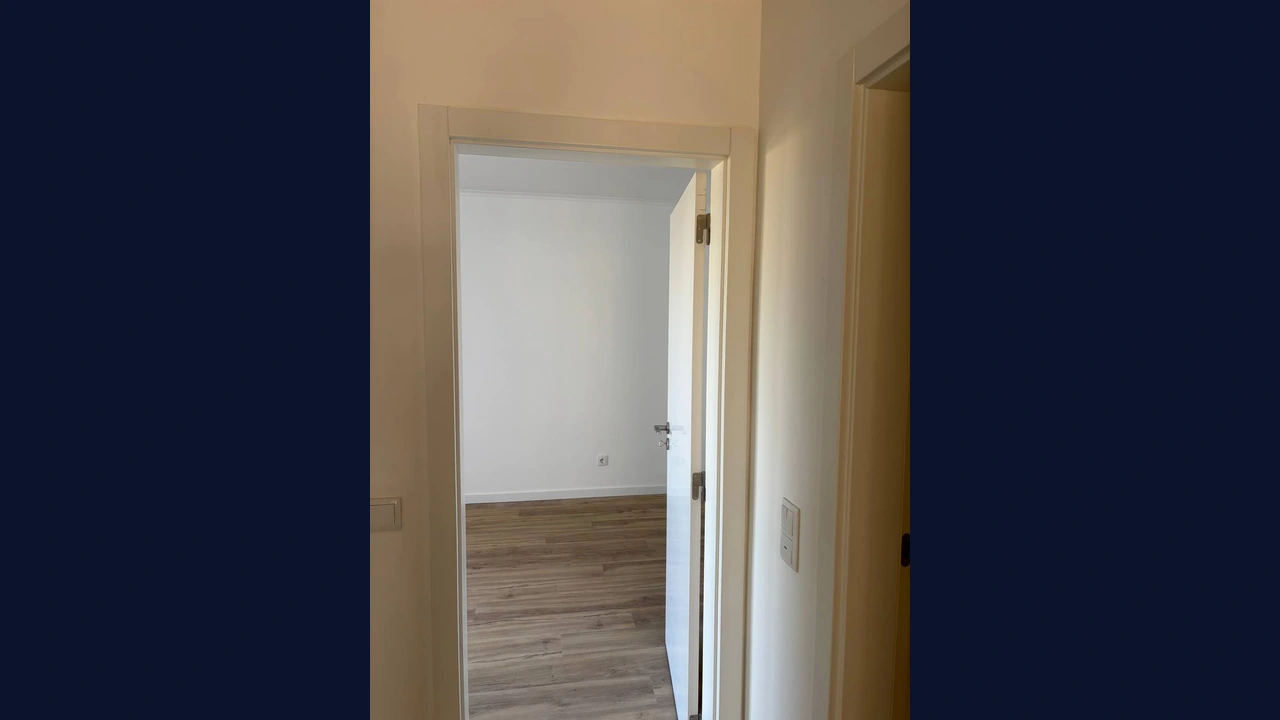
The building work may be drawing to a close, but access to the property can still be unclear. A neighbour holds a spare key, a temporary code was shared in a message, and a remote control has been left in a drawer. Unless someone brings those details together, the owner receives a collection of objects without a reliable account of who can use them.
Treat the return of access as a separate handover conversation. It is not the same as inspecting finishes or collecting product documents. The aim is to identify the access arrangements that exist, who is authorised to manage them, and which questions remain unresolved. The following is a proposed organising method, not a statement that every renovation includes electronic access or a particular security service.
Identify each access point before counting keys
Start with the property entrance and list any other relevant access points: a pedestrian gate, a garage, a shared entrance or a locked storage area, where present. Use descriptions the owner will recognise. A key labelled only with an unexplained number is difficult to place when the person who labelled it is no longer on site.
Record the type of item associated with each point, such as a physical key, remote control or account-managed credential. Do not assume that one key operates every door or that a remote supplied with an appliance controls the building entrance. The list should describe what has been identified, not infer capabilities from appearance.
Separate possession from authority
Holding a spare does not necessarily mean a person may authorise further copies or change an access setting. Ask the owner to identify who can make those decisions. Where the entrance belongs to a shared building, establish which questions must go to the building representative rather than treating the apartment owner as the administrator of every system.
A temporary site contact may have held access during the works without being intended as a permanent keyholder. Record that distinction before the contact arrangements change. For an owner living outside the Algarve, nominate a person who can receive the items locally, while making clear whether that person is collecting them or has authority to approve changes.
Use a hypothetical return list to expose gaps
Consider a hypothetical owner who expects two keys and a garage remote at handover. The person collecting them receives the two keys, but the remote is still with a site contact. Instead of marking access as complete, the return list identifies the missing item and the person who will clarify its location.
A second question concerns a code previously shared with a delivery contact. The owner asks the authorised system administrator whether that credential is still active and how temporary access should be ended. The list preserves the question without pretending that the collector can inspect the system or that returning the keys automatically revokes every other form of access.
Keep the return record separate from the secrets
A shared handover note can record that a code or account needs attention without containing the code itself. Avoid placing working credentials, photographs of key details or personal access information in a broadly shared snagging list. Agree an appropriate private route for any sensitive information that the owner actually needs to receive.
For account-managed equipment, ask who currently holds administrative control and what the authorised transfer procedure requires. Do not assume that receiving an app invitation transfers ownership of the account. Use the relevant provider or qualified installer for system-specific instructions rather than improvising a reset that might affect another user or shared equipment.
Agree a controlled demonstration
Where a demonstration is appropriate, have the responsible person show the owner how the identified access item is used. Keep a working route back into the property and avoid experimenting with unfamiliar controls. An item that has not been demonstrated should remain identified as unverified; appearance alone is not enough to call it functional.
The Alfagar photograph accompanying this article shows a finished doorway as architectural context. It does not establish the type of lock, the number of keys, any access-control specification or the security of the property. Those details need to be established for the actual project rather than inferred from a finished interior photograph.
Close the conversation with named actions
Review which items have been returned, which remain outstanding and which require an administrator’s response. Assign a contact and an agreed next step to each open question. Keep the record private enough for its contents and do not mark it complete merely because the wider renovation meeting has ended.
A clear return of access helps an owner understand what has changed between a working site and their own property arrangements. It does not certify security or replace contractual handover procedures. For an Algarve renovation enquiry, contact Build It Now to discuss the project scope and the coordination questions that should be addressed before the works conclude.