
Guest bathroom renovation: preparing a useful brief
Published on 12 November 2026
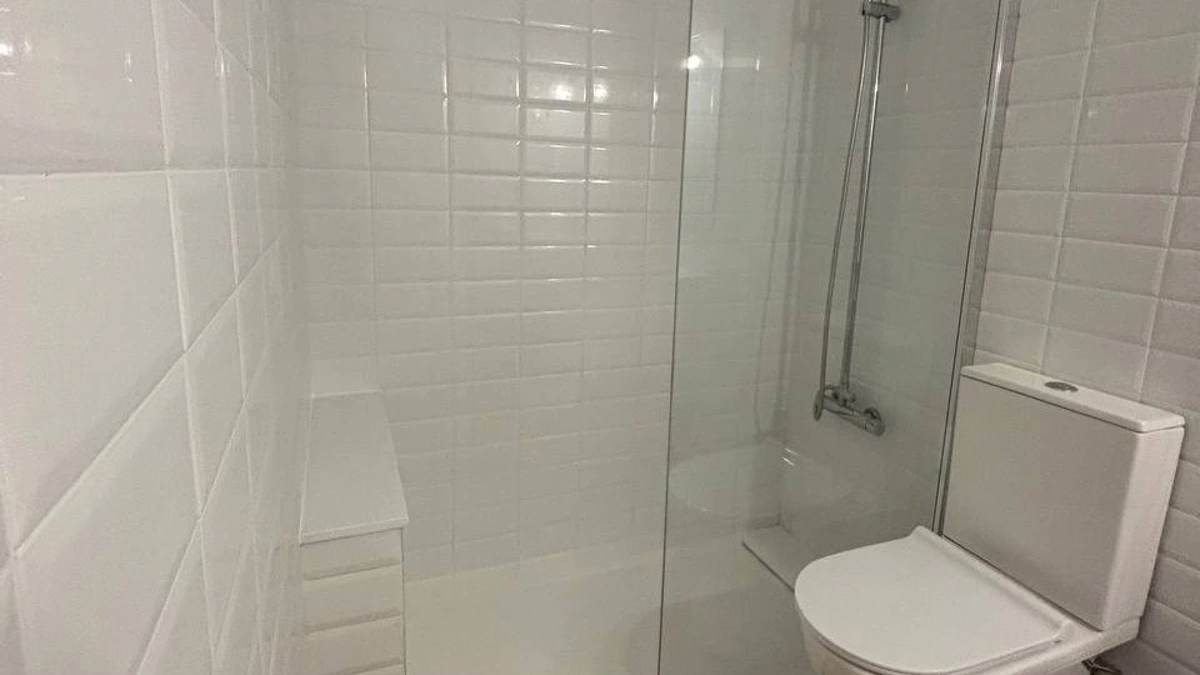
A guest bathroom can look straightforward on a mood board while leaving important questions unanswered. Where will visitors put towels? Can someone reach the shower control comfortably? What needs checking before a preferred fitting is ordered? A useful renovation brief separates those everyday needs from technical decisions that require a competent professional to assess the room.
This guide proposes a way to prepare that conversation for an Algarve home. It is not a bathroom design, a compliance assessment or a specification for a particular property. The accompanying photograph shows a real Build It Now bathroom as visual context only. It does not establish ventilation performance, waterproofing, accessibility or the suitability of the same layout elsewhere.
Describe how guests will use the room
Start with the experience you want the bathroom to support. Note whether visitors need somewhere to leave a wash bag, hang clothing or store a spare towel. Describe any difficulty you have observed in the existing room, distinguishing your observation from its possible cause. A door that strikes a fitting is observable; deciding how to alter the layout is a separate design question.
Avoid treating every preference as a fixed instruction. A request for easier cleaning is a useful objective. An instruction to install a particular wall-hung fitting before its support and services have been assessed can constrain the conversation prematurely. State the need first and ask the project team to explain the options, limitations and information required before a selection becomes final.
Record the room before choosing replacements
Prepare a simple description of the existing arrangement with photographs and any measurements that have actually been taken. Mark unverified dimensions as such. Include door movement, the location of visible fittings and areas you cannot inspect. Do not assume that a pipe route or wall construction can be established from an attractive photograph or a position on a sketch.
Keep the difference between existing and proposed arrangements clear. An image saved for inspiration may show a shower screen or storage recess that is unsuitable for the room under review. Label it as a reference for a preference, not an approved construction detail. This makes it easier for a professional to discuss the intention without treating the image as an instruction to reproduce every visible feature.
Turn ventilation and future access into questions
Rather than prescribing a fan type, capacity or door alteration, ask what assessment is needed for the proposed bathroom. Record whether there is an existing ventilation arrangement, what is known about it and which concerns remain unresolved. Describing condensation that you have observed is useful; diagnosing its cause or selecting a remedy requires appropriate investigation.
Ask how the proposed fittings would be cleaned, maintained and accessed for repair. The brief can request an explanation of access arrangements without specifying a valve position or concealed installation. Where a solution depends on information that is not yet available, retain it as an open question. A neat drawing does not remove that dependency.
Discuss usability without promising a result
Explain who is expected to use the room and what would make it easier for them. Clear controls, a place to set down belongings and convenient towel storage are reasonable discussion points. They do not establish that a proposed room meets an accessibility standard or is suitable for every visitor. Where specific needs exist, ask for advice relevant to those needs and the property.
Consider a hypothetical owner who dislikes stepping into the shower to reach its control. The brief records that difficulty and asks the designer to explore alternatives. It does not jump directly to a fixed screen or level-access tray. The example stops at a better question: the feasibility, detailing and final arrangement still need to be assessed before an instruction is issued.
Keep selections separate from technical approval
A preferred tile, basin or shower fitting should have an identifiable product reference when one is available. Keep alternative references separate so that an early inspiration image is not mistaken for the current selection. Ask the appropriate professional to confirm compatibility and any installation requirements before purchase or construction is authorised.
For lighting and electrical items, record the intended use and the questions that need answering rather than proposing socket locations or installation details yourself. Likewise, asking about water supply for the intended use is different from promising stable temperature or a particular shower experience. The brief identifies what needs assessment; it should not manufacture a technical conclusion.
Bring a short question list to the discussion
A concise brief is easier to discuss when its unresolved points are visible. You might ask who will assess ventilation, what information is needed to confirm the layout and which selections remain provisional. Include the issue behind each question, so the conversation is about the room’s intended use rather than a list of products that happen to look appealing.
After the discussion, distinguish an explanation from an instruction. Record the agreed next action and who needs to provide the missing information. This does not need to become another general renovation dossier: the purpose here is to turn guest-bathroom needs into an informed design conversation before preferred features become assumptions.
Use the brief as a starting point, not a certificate
Read the completed note once from a visitor’s perspective and once as a set of questions for the project team. Remove promises that the room will never need attention, will suit every visitor or will remain free of moisture problems. Replace them with the actual objective and the assessment needed. Honest limits make the brief more useful than confident claims without supporting information.
For an Algarve renovation enquiry, you can share those needs and open questions with Build It Now. Discuss the scope of any proposed service before assuming that a particular assessment, document or installation is included. The first useful outcome is clarity about what needs deciding, not a premature claim that the design has already been solved.