
Before the furniture returns: checking an empty new room
Published on 21 November 2026
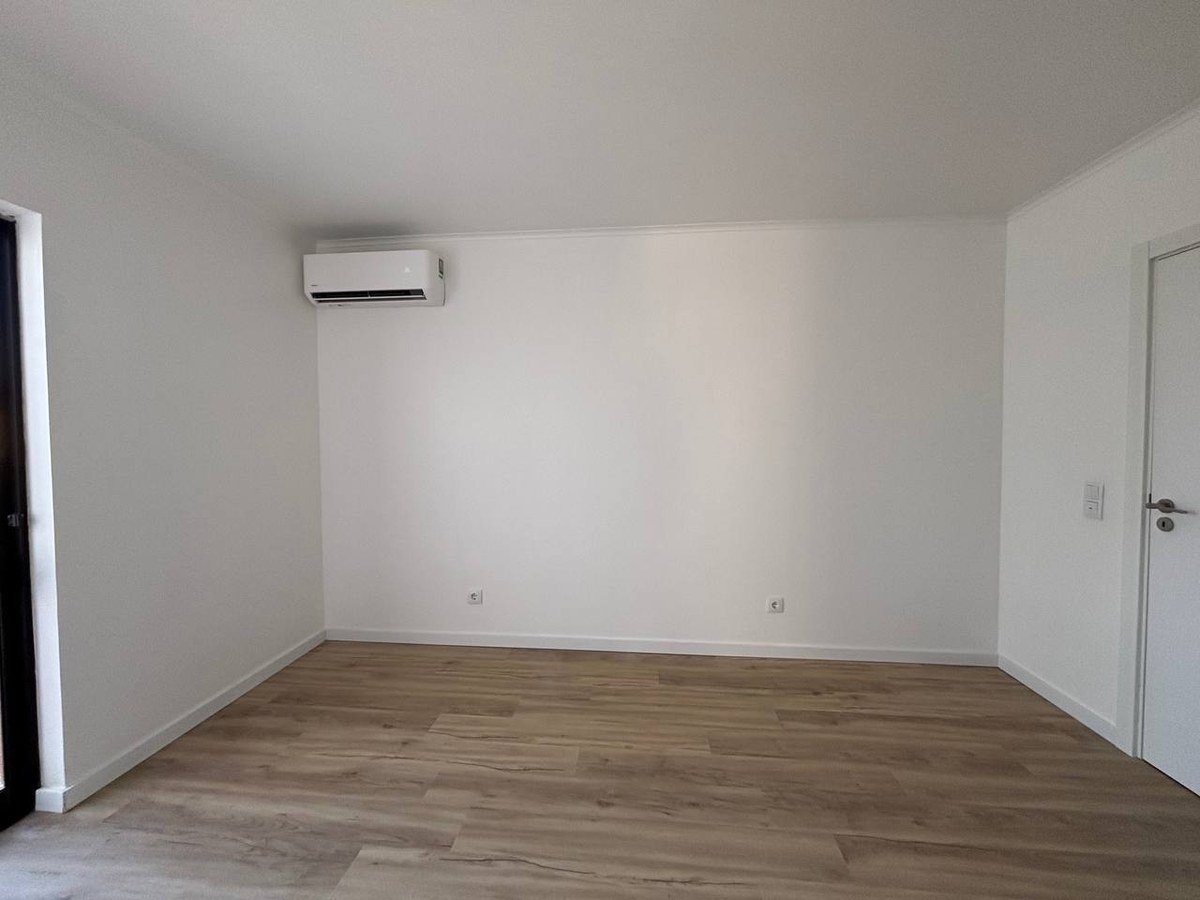
There is one short window in every renovation when a room can be judged honestly: the days after the builders have finished and before the sofa, boxes and wardrobes come back through the door. Once the furniture is in, half the floor is covered, half the wall sockets are hidden, and a skirting joint that never got glued sits silently behind a dresser for a year. An empty room is the only moment when everything is visible at once — and most owners, exhausted by the works, spend it taking photographs instead of running checks.
None of the checks below require tools or expertise. What they require is a free half-day and the willingness to notice small things while the crew can still be called back cheaply. This is how we like our own handovers to work, on jobs where the client is around to walk the rooms before the delivery van arrives.
Walk the room twice: once in hard light, once in low light
Fresh white paint looks flawless under midday sun and honest at sunset. Come back in the early evening with the blinds open and stand where the windows put raking light across each wall. Roller texture, patched corners and a second coat that stopped short of the ceiling line all show themselves as shadows, not colours. Nothing here is a fault to fight about; it is a short list of spots worth a quick touch-up while the paint tin is still somewhere on site.
Underfoot: the floor wants a walk, not a glance
Click-fit laminate and rigid vinyl floors are installed dry over an underlay, and their two honest tests are sound and height. Walk slowly across the whole room in socks: a hollow click or a soft spot usually means an empty pocket under a plank edge. Then check every threshold — front door, balcony door, the line where the flooring stops and tiles begin — with something flat you are willing to slide under a door. A floor that clears a door today is the one thing that cannot be quietly fixed later, because furniture and curtains will arrive around the problem.
Every opening, opened and closed twice
Interior doors, windows, the balcony door, the shutters if the home has them. Open each one fully, let go gently and watch where it stops: a door that swings on its own is hanging out of plumb, a window that needs a second push to latch has a frame that moved during the works. Check the seals run unbroken and the drainage slots in the outer frame are clear of paint and debris. Do this before the curtain rails go up, because a rail installed on top of a stiff window only makes the complaint ambiguous.
Sockets, switches and one real cycle of the air conditioning
Take a phone charger and test every socket, then label what the switches actually control — the old habit of switching two at once and guessing survives into furniture delivery day otherwise. If the rooms have split units installed, run each one properly for ten minutes in cooling and again in heating while the room is empty: air should move, noise should stay low, and after the cooling cycle no water should be dripping from the indoor unit’s face. If it does, that is a drainage conversation to have now, in writing, not on the first hot week in July.
Look up and look down at the joinery lines
The quiet quality of a finish is in the lines: skirting against floor, architrave against wall, the paint edge along a ceiling cornice. Run a fingertip along a few metres of skirting — gaps that swallow a matchstick where the wall bows are normal in older buildings, but they should be filled and painted, not left open to catch dust behind the sofa. Same test for the reveal around doors. Where the answer is a bead of caulk, better found now than after the first clean marks a grey stripe along it.
Sequence the furniture, not just the checks
Bring the big pieces back in the order that keeps the checks valid: wardrobes and sofas first, because their delivery scratches floors and dents fresh plaster; lamps, curtains and the small shelves last. Leave a clear strip along each wall for a week before bolting anything to it, so a socket that failed the charger test is still reachable with the crew one phone call away. A room furnished in two stages looks the same in the end and costs far less to correct.
None of this is a certificate, and none of it replaces the walk-through your own contract may already define. It is simply the difference between a renovated home that looks finished on day one and one you still trust at the end of the first winter in it.