
Windows and doors: the open-close-lock test at handover
Published on 23 November 2026
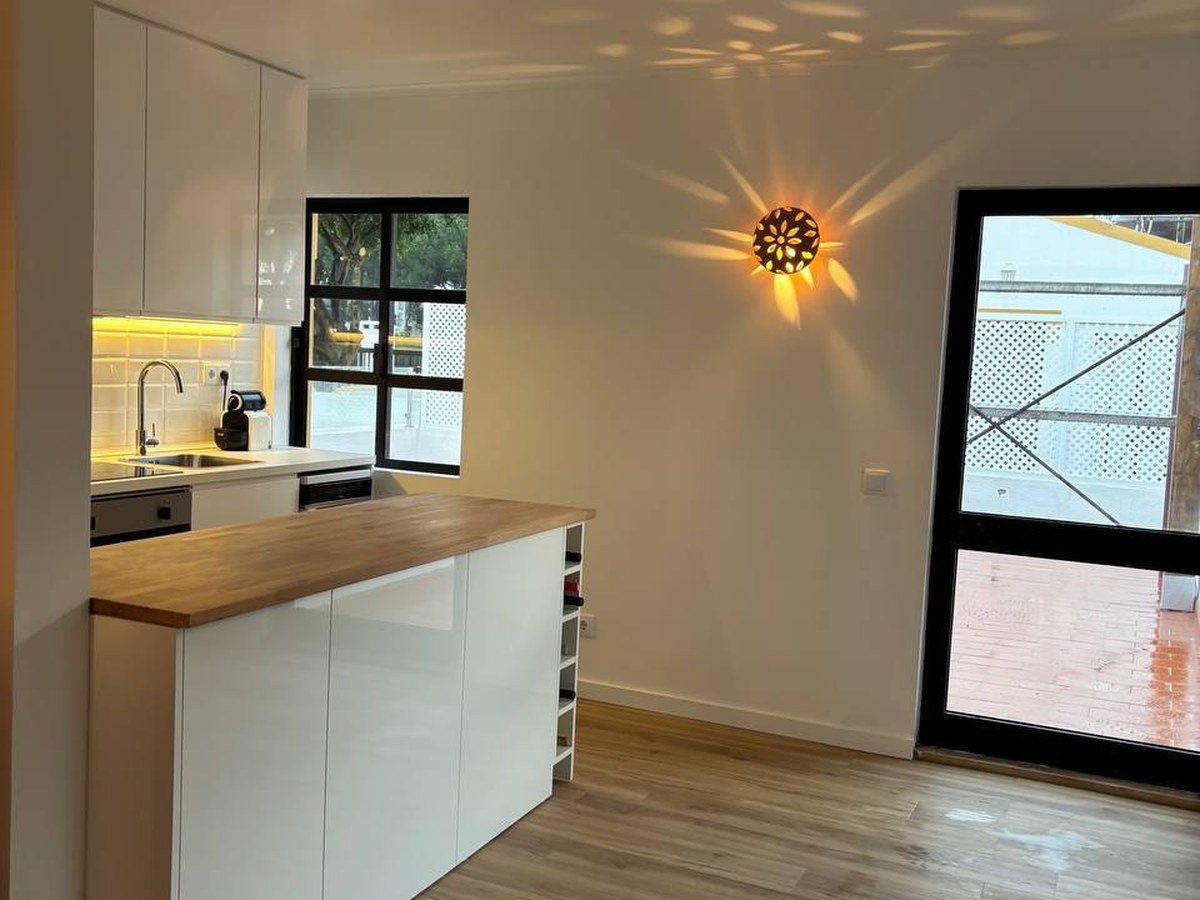
The last hour of a renovation has a rhythm: keys on the table, the walk-through almost done, every surface finally looking the way it was promised. It is exactly now, with the contractor still standing next to you, that the windows and doors deserve ten deliberate minutes. Not next week, when a leaf that rubs has become your problem. Not after the first rainy night, when a draught is something you measure alone. Windows and doors are the only machines in the house you will operate every single day — they are worth testing while everyone is still on site.
Why this test belongs to handover day, not next week
Once you sign the handover document, the psychology of the project changes. Before it, a door that does not close squarely is the contractor’s to fix as part of the works. After it, the same door becomes a request — one that competes with the next client’s schedule. This is not an accusation; it is how trades work. The practical consequence is simple: the cheapest moment to find every fault in a window or a door is the moment before acceptance, while the installer’s tools are still in the van outside. Everything you find in that hour goes onto the pending list. Everything you find the week after goes onto the phone.
Open and close every leaf, in every position
Start with the operation itself, because it reveals more than any measurement. Open each window fully and close it again, twice, and pay attention to three things: the resistance, which should be smooth and even rather than suddenly tight at one point of the stroke; the sound, because a rubbing or creaking leaf is telling you exactly where the sash and the frame touch; and the stay, because a window opened halfway should hold its position instead of drifting shut under its own weight.
If the frames are tilt-and-turn, test both positions on every unit — tilt first, then the full turn — and confirm the handle reaches each position without forcing. A handle that has to be persuaded today will be the one that gives up first. On doors, let go of each leaf mid-swing: it should hold a calm, even gap all along the frame when it settles, and a gap that narrows at one corner points to an adjustment that takes minutes now.
Locks and keys: test with the copies you keep
Locks fail in boring ways: a cylinder that turns hard, a multipoint lock that only engages when you lift the handle firmly, a copy of a key that works and another that does not. Test every lock with the keys you actually receive — the installer’s own copy can behave differently from the ones that end up in your drawer. Count the copies against the list in the handover document and note the count in writing; if one is missing, it is far easier to ask for it on day one than to prove later that it was never delivered. Then walk the house and lock and unlock every exterior door from both sides. The door nobody opened during the visit is usually where the surprise lives.
Seals and draughts: the paper strip test
Glazing and draught-proofing are the invisible half of a window, and two checks cover most of it. The paper strip test: close a sheet of paper in the window and pull it out. It should resist, sliding free with friction rather than falling; where it slides out with no resistance at all, the seal is not pressing on that side. Repeat it on a couple of windows rather than all of them — the pattern repeats through the house. Condensation between the panes of a double-glazed unit is not a cleaning problem: mist inside the glass on a cool day means the sealed unit has failed, and the unit is replaced rather than repaired, so write it down on the spot. Finally, look at the small drainage slots at the bottom of the exterior frames: they should be clear, because that is where rain that gets past the outer seal is meant to escape.
What to write down before the contractor leaves
A fault list works when it is specific. For each finding, one line with three things: the room, the window or door — a simple numbering you both understand — and what is wrong. Bedroom two, window right, handle stiff beats some windows need checking. Take one photo per finding, with the room visible, and attach the set to the handover document instead of leaving it in your phone. Agree who adjusts what and by when, and put that agreement in the same document.
None of these checks needs a technical background. It needs a printed page, a pen and ten unhurried minutes while the installer is still within shouting distance. Whether the frames came with our works or with another contractor, that final walk is the cheapest quality control in the entire renovation.