Unveiling Exclusivity: 5 Breathtaking Luxury Design in the Algarve Trends for 2025

Unveiling Exclusivity: 5 Breathtaking Luxury Design in the Algarve Trends for 2025

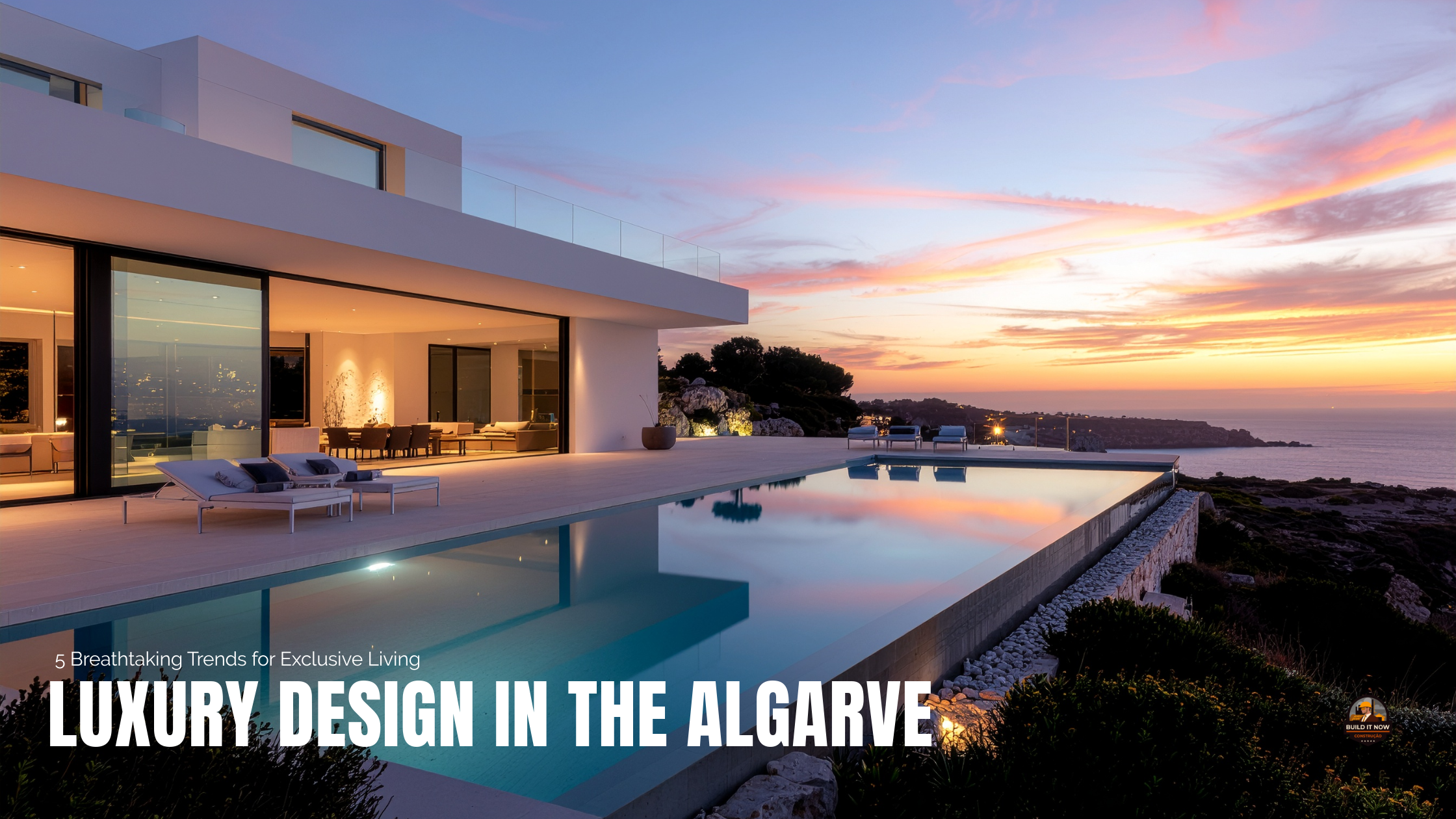
The Algarve, a jewel on Portugal’s southern coast, has long been synonymous with sun-drenched beaches, world-class golf, and, increasingly, exclusive luxury living. As discerning buyers from across the globe invest in this vibrant region, the demand for sophisticated, modern, and personalized homes has driven a breathtaking revolution in architectural and interior design.

If you are looking to invest, renovate, or simply dream about a stunning property in the Golden Triangle (Quinta do Lago, Vale do Lobo, Vilamoura) or beyond, understanding the cutting-edge aesthetic is key. The new era of opulence in Portugal’s premier resort region is defined by a seamless blend of natural authenticity, smart technology, and profound well-being.

Here are the 5 Breathtaking Luxury Design in the Algarve Trends shaping exclusive living in 2025:
5 Breathtaking Luxury Design in the Algarve Trends for 2025

📝 Table of Contents


1. Biophilic Flow: The Seamless Indoor-Outdoor Experience

The glorious Algarve climate, boasting over 300 days of sunshine a year, makes the integration of interior and exterior spaces a non-negotiable luxury. This trend, known as Biophilic Design, is about blending the home with the natural environment to enhance well-being and visual connection.

  • Expansive Glazing: Floor-to-ceiling sliding glass walls, often folding entirely away, are standard. They turn living rooms, master suites, and kitchens into one fluid space connected to terraces, infinity pools, and manicured gardens.
  • Courtyards and Atriums: Architects are incorporating sunlit internal courtyards and large atriums, bringing light and miniature landscapes right into the core of the house.
  • Cohesive Materials: The same natural stone (like local Moleanos or Lioz) or wood used indoors is extended onto the external terraces, physically blurring the line between inside and out.

This emphasis on flow ensures every moment spent in your exclusive residence maximizes the region’s natural beauty.

2. The Reign of Earthy, Authentic Materials

The sterile minimalism of the past has given way to a desire for warmth, tactility, and authenticity. Luxury buyers are increasingly demanding materials that tell a story and reflect a commitment to sustainability.

The new palette is inspired by the Portuguese landscape itself: rich terracotta reds, soft sand tones, deep olive greens, and warm ochre. These colours create a grounded, tranquil atmosphere.

  • Portuguese Cork and Stone: Locally sourced, sustainable materials are highly prized. Cork is moving beyond flooring to become a feature for wall coverings and unique furnishings. Local stones are valued for their low-emission profile and timeless elegance.
  • Hyper-Texturality: Forget smooth, uniform finishes. The trend is towards layered textures—think linen sheers, sisal rugs, rough-hewn ceramics, and high-contrast, overstated veining in marble and wood. This focus on texture transforms a house into a multi-sensory home.

3. Wellness as a Design Cornerstone

In 2025, wellness is no longer a bolt-on amenity; it is built into the architecture. The exclusive buyer in the Algarve sees their home as a sanctuary—a place designed to promote physical and mental health.

  • Dedicated Wellness Spaces: High-end villas now frequently include bespoke features such as dedicated meditation rooms, state-of-the-art home gyms, saunas, and even Himalayan salt walls.
  • Natural Light and Airflow: Design prioritizes natural light exposure and cross-ventilation. This focus on clean air and light is essential for regulating circadian rhythms and creating a truly therapeutic environment.
  • Eco-Friendly and Sustainable Living: Sustainability is an expectation. Energy-efficient home designs, solar panels for reduced running costs, and rainwater harvesting systems are becoming standard features, aligning luxury with environmental responsibility. This focus on a ‘net-zero’ approach is paramount.

4. The Softening of Lines: Organic and Curved Forms

The geometric, rigid shapes that defined modernism are softening. A key trend in Luxury Design in the Algarve is the move toward gentle, organic shapes that encourage calm and fluidity.

  • Arched Architecture: Arched doorways and windows are making a powerful return, adding a touch of classic, Moorish-inspired elegance while feeling utterly modern.
  • Sculptural Furnishings: Expect to see curved kitchen islands, rounded sofas, and sculptural lighting fixtures. These soft lines create a more inviting and visually restful environment, moving away from sharp, angular interiors.
  • Bespoke Carpentry: Custom-built storage solutions are a perfect example of this. Integrated cabinetry that follows a room’s soft contours, designed as a piece of art rather than a simple closet, is a hallmark of truly exclusive luxury living.

5. Discreet Smart Home Integration

While technology is expected in a luxury property, the 2025 trend is for it to be invisible. Buyers want convenience without clutter—a home that anticipates needs rather than requiring constant input.

The most advanced villas are moving towards AI Luxury (Artificial Intelligence) integration, where the home’s systems (lighting, climate control, security, irrigation) are managed through discreet voice controls or elegant, minimal app interfaces.

  • Predictive Climate Control: Systems that monitor weather patterns and adjust the villa’s temperature and humidity before a shift is felt, ensuring constant, perfect comfort.
  • Hidden Technology: Sensors and control panels are artfully concealed or integrated into the architecture. This ensures the aesthetic remains focused on high-quality materials and design, not on gadgets.
  • Energy Harmony: Smart systems now balance the use of solar input with consumption for optimal efficiency, often making the homes self-sustaining and cutting down on utility costs dramatically.
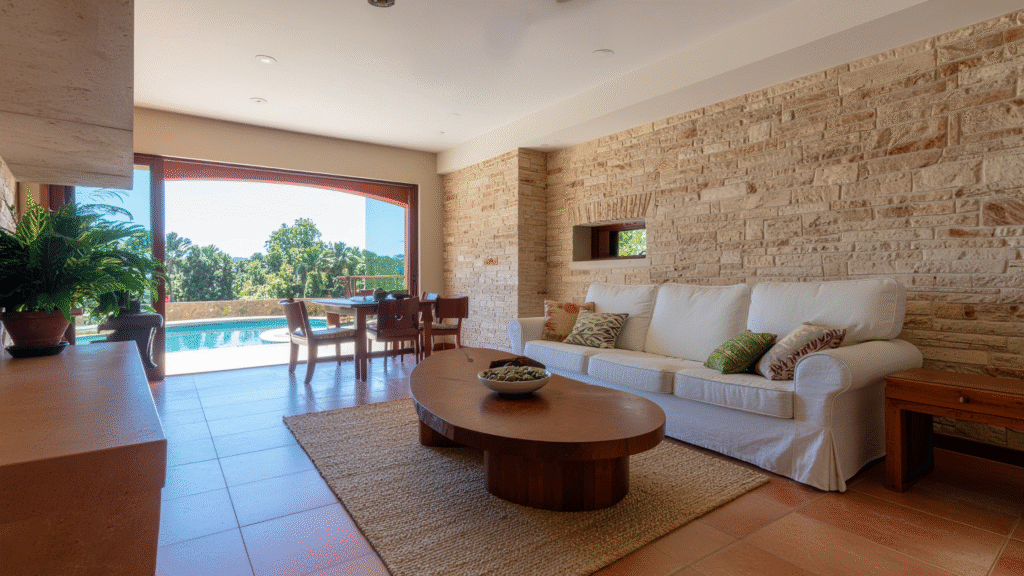
Interior of a living room featuring a white sofa, oval wooden coffee table, jute rug, and natural stone accent wall. Large sliding doors open to a terrace with a pool and an outdoor dining set.

The Future of Exclusive Living

The trends defining Luxury Design in the Algarve in 2025—from seamless indoor-outdoor living to sophisticated, integrated technology—demonstrate a clear shift. The new definition of opulence is about creating spaces that are not just beautiful, but profoundly functional, sustainable, and deeply authentic. This commitment to values and the unique local heritage is what makes the Algarve’s property market one of the world’s most desirable locations for high-net-worth individuals.

This focus on an authentic, health-conscious, and technologically advanced lifestyle ensures that an investment here is an investment in both enduring value and a truly exceptional quality of life. For further reading on the Algarve’s commitment to green construction, you can explore resources from the European Commission on Energy Efficient Buildings Initiative (DoFollow Link).

Are you ready to discover a property that encapsulates these spectacular trends?
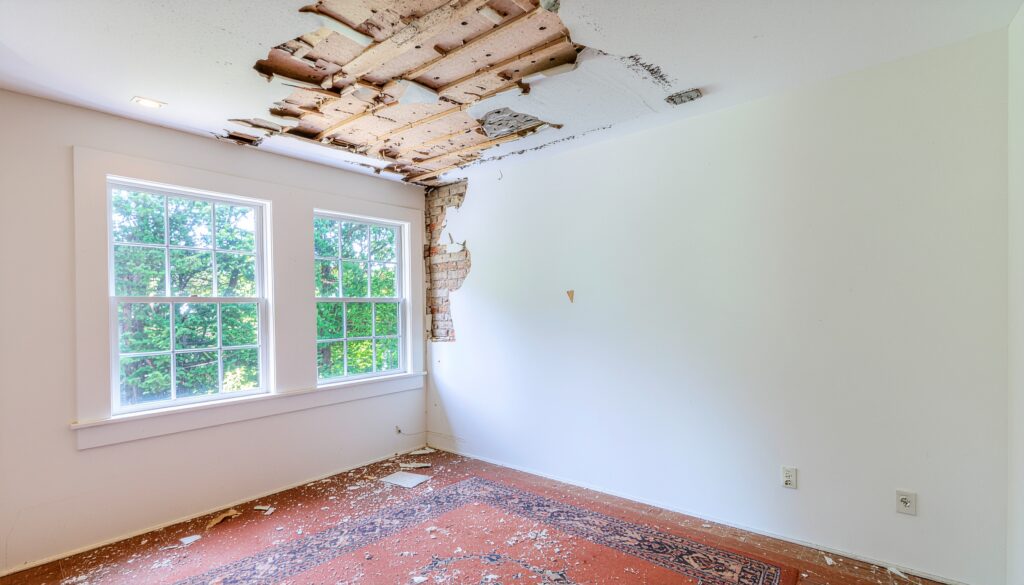
Avoid The Mediocre Finishes Trap: 5 Hidden Costs That Ruin Projects

The Real Cost of Cutting Corners: Why Mediocre Finishes Will Ruin Your Project

In the construction world, there’s often pressure to reduce costs, leading some to compromise on the materials and craftsmanship used for the final touches. However, this is a dangerous gamble. The risk of mediocre finishes is far more severe than the immediate savings they promise. These final layers—from paint and tiling to carpentry and fittings—are what your client sees, touches, and lives with every day. When they fail, the entire project’s reputation fails with them.

Mediocre Finishes

5 Ways Mediocre Finishes Compromise Construction Quality

Choosing low-quality materials or rushing the installation process can seem like a shortcut, but it invariably leads to long-term problems. Here are five critical ways mediocre finishes negatively impact a project.

Accelerated Degradation and Short Lifespan

Poor quality materials, whether cheap paint, sub-par flooring, or weak sealants, simply do not last. They are not designed to withstand standard wear and tear, moisture, or UV exposure. This leads to issues like premature fading, cracking, peeling, and chipping. The seemingly lower initial cost is quickly erased by the need for costly and frequent repairs and replacements.

Compromised Structural Integrity

While finishes are generally considered aesthetic, in many cases, they protect the underlying structure. Poor exterior finishing work, such as incorrect window sealing or inadequate stucco application, allows moisture intrusion. Over time, this can lead to severe issues like mold, wood rot, and deterioration of structural elements, creating a silent, hidden crisis.

Destruction of Property Value and Aesthetics

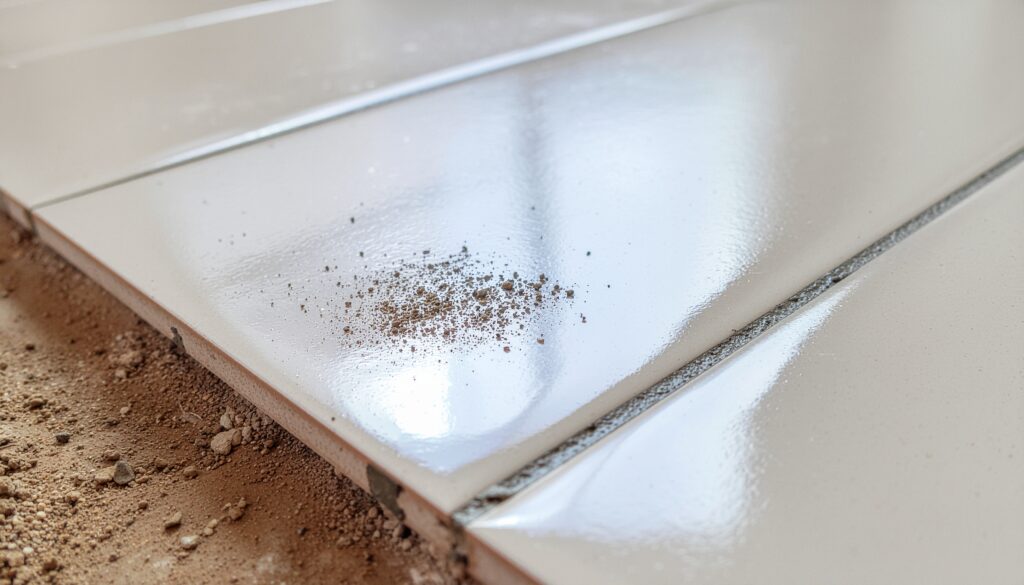
The aesthetic appeal of a property is heavily determined by its finishes. High-quality finishes contribute significantly to a home’s market value. Conversely, obvious flaws stemming from mediocre finishes—uneven grout lines, bubbling paint, or misaligned cabinetry—immediately signal poor overall quality to potential buyers and devalue the property.

Excessive Liability and Callbacks

For a construction company, the true risk of using mediocre finishes lies in the inevitable callbacks. A dissatisfied client experiencing issues with peeling grout or faulty fixtures will call you, not the supplier. These warranty repairs consume time, labor, and resources, severely eroding any profit margin gained by cutting corners. See more: Key metrics to determine the warranty budget and accruals

Reputational Damage That Lasts

In the age of online reviews, a single project compromised by mediocre finishes can inflict lasting damage on your company’s reputation. Trust is the foundation of the construction business. Delivering a product that fails to meet expectations undermines that trust, leading to negative reviews and a significant loss of future referral business.


The Solution: Prioritizing Quality Finishing Work

Avoiding the pitfalls of low quality begins with a commitment to superior finishing work and clear communication with your clients. This includes:

  • Vetting Suppliers: Insist on materials from reputable, established suppliers.
  • Skilled Labor: Ensure that specialized finishing work is executed by experienced tradespeople.
  • Quality Assurance: Implement strict multi-stage inspections before, during, and after finish installation.

A successful project is not just about meeting deadlines; it’s about delivering enduring quality. By prioritizing superior finishes, you secure the long-term value and integrity of the structure and build lasting trust with your clients. See more: Construction Materials Affect Property Value

Extreme close-up of glossy white floor tiles showing uneven leveling (lippage) and wide, irregular grout lines. Construction debris (dirt/sand) rests on the edge of the tile.

Secure Your Project’s Future: Demand Excellence

Don’t let the temptation of short-term savings jeopardize your reputation and your client’s investment. When you choose our construction firm, you choose a commitment to excellence, ensuring that the finished product reflects the highest standards of durability and beauty.

Contact us today to discuss how we secure every detail of your next project, from foundation to the finest finishing touch.

Bioclimatic Pergolas: 5 Reasons Why They’re a Must-Have Upgrade

Bioclimatic Pergolas: The Ultimate Upgrade for Your Outdoor Living Space!

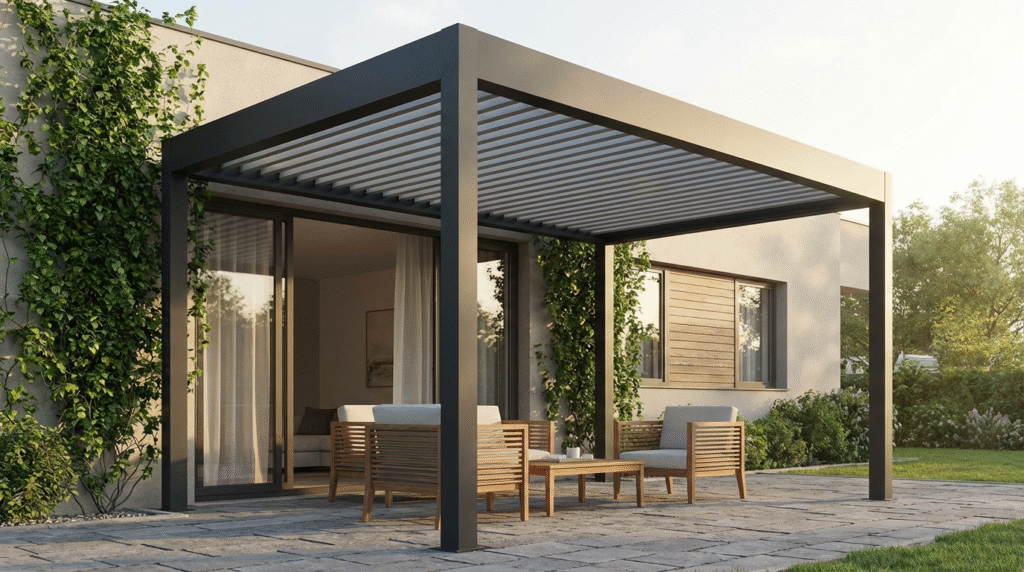
Modern black aluminum bioclimatic pergolaS attached to a contemporary house, featuring adjustable louvers on the roof. Underneath, a seating area with light wood outdoor furniture and cushions rests on a paved patio, surrounded by lush green foliage.

5 Reasons Why Bioclimatic Pergolas Are the Future of Outdoor Comfort

Why are more and more people choosing Bioclimatic Pergolas? They are not just simple covers; they are intelligent systems designed to adapt to environmental conditions. Let’s dive into the top five reasons why these pergolas are a game-changer for any construction project.

1. Unmatched Year-Round Climate Control

Unlike static structures, bioclimatic pergolas feature adjustable louvered roofs. These motorized aluminum slats can be rotated 180 degrees via a remote control or a smart home system. This allows you to:

  • Regulate Sunlight: Tilt the louvers to block direct sun in the summer.
  • Control Ventilation: Open the louvers partially to create natural airflow, reducing the ambient temperature underneath.
  • Provide Rain Protection: Close the louvers completely to form a waterproof roof, complete with an integrated drainage system.

2. Superior Energy Efficiency

A properly installed bioclimatic pergola can significantly reduce your home’s cooling costs. By strategically positioning the louvered roof, you can shade the adjacent interior spaces, preventing solar heat gain inside your house. This passive climate control is a key feature that appeals to environmentally conscious homeowners.

3. Sleek, Customizable Modern Design

The clean lines and durable aluminum construction of bioclimatic pergolas offer a highly contemporary aesthetic. They can be customized with various features, including:

  • Integrated LED lighting systems.
  • Glass sliding doors or retractable side screens for full enclosure.
  • Heating elements for cooler evenings.

4. Durability and Minimal Maintenance

Constructed typically from high-grade, corrosion-resistant aluminum, these structures are built to withstand harsh weather conditions, from heavy snow loads to strong winds. Their durable finish requires minimal maintenance, usually just a simple wash, allowing you to enjoy your outdoor space without the upkeep burden associated with wood or fabric alternatives.

5. Increased Property Value

Adding a sophisticated, functional, and stylish outdoor living space like a bioclimatic pergola is a significant investment that instantly boosts your property’s appeal and resale value. It transforms a simple patio into a luxury outdoor room.

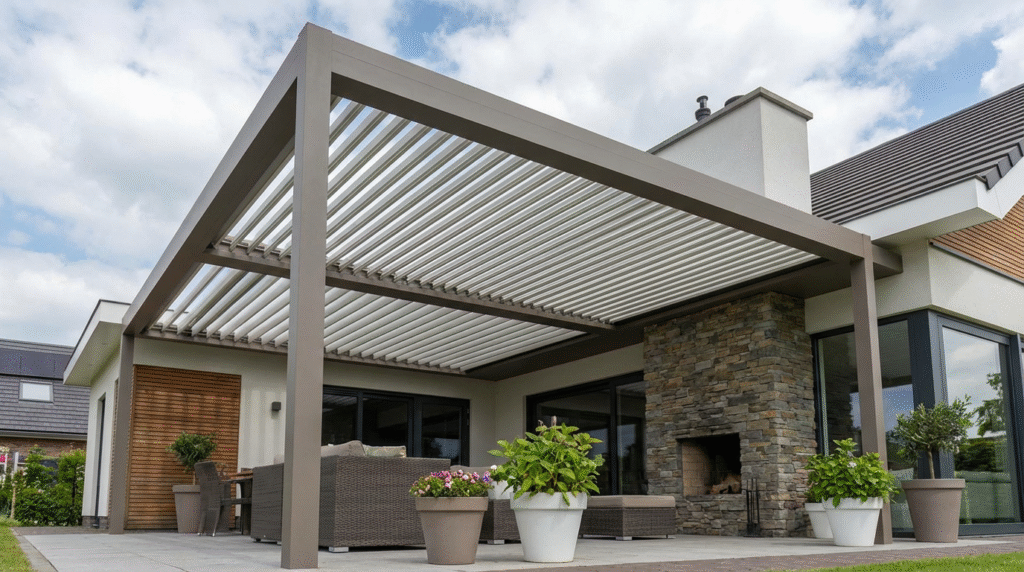
Large, modern bioclimatic pergola with adjustable white louvers over a luxury outdoor patio. The structure is attached to a house featuring a prominent stone-clad outdoor fireplace and sliding glass doors.


The Science Behind Bioclimatic Design

The term «bioclimatic» refers to architecture that is designed to adapt to the local climate, minimizing energy use and maximizing comfort. In the context of bioclimatic pergolas, this means using the sun’s energy, natural shade, and airflow to maintain a perfect environment without relying on artificial heating or cooling. It’s an elegant marriage of form and function. See more: Bioclimatic building principles

Ready to Transform Your Outdoor Space?

Our company specializes in the design and installation of custom bioclimatic pergolas. We use only the highest quality materials and provide expert craftsmanship to ensure your new outdoor living space meets your exact needs and specifications.

Contact us today to schedule a consultation and take the first step toward enjoying your patio or terrace all year long!