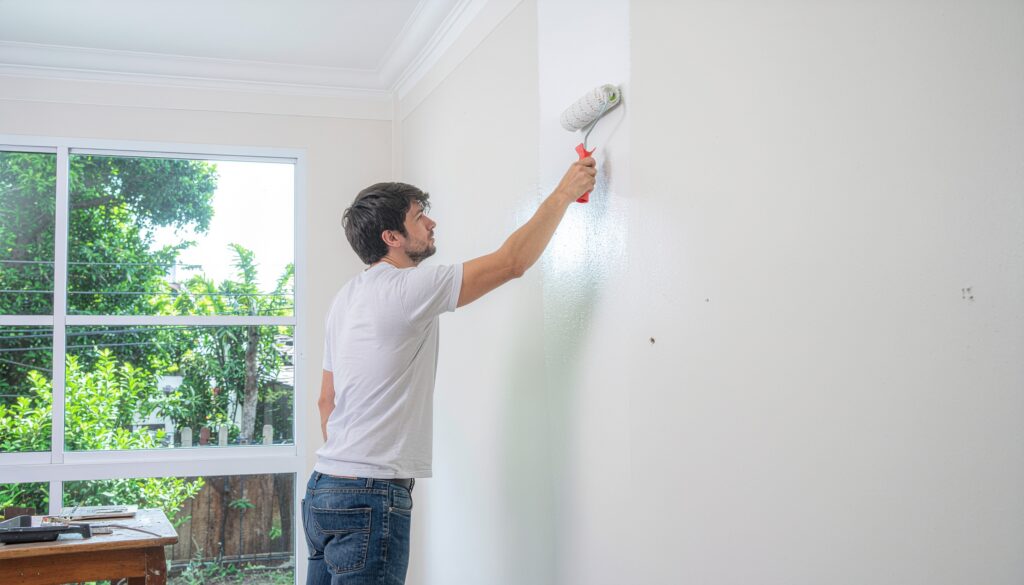
A textured wall finish is not approved by choosing a colour name alone. The sample, the surface beneath it, the light in the room and the boundary with adjoining materials all need to be agreed before the full wall is finished.
The project photograph accompanying this article shows a terracotta-coloured wall during work, with visible variation and masking around an opening. It is a record of a surface in progress, not proof of a particular product, a completed handover or a technical performance rating.
Start with the substrate, not the colour chart
Before selecting the final appearance, establish what the finish will be applied to. Ask the contractor to identify the existing surface and explain the proposed preparation. A new plastered wall, an older painted surface and a repaired section should not simply be assumed to accept the same build-up.
The practical questions are specific: what needs cleaning, what needs repair, which preparation materials are proposed, and whose instructions govern the application? Where there is uncertainty about the surface, record it and resolve it before treating a decorative coat as the solution.
Likewise, a visible stain or an area that appears damp needs investigation rather than a promise that a decorative finish will conceal it. A photograph cannot establish the cause of a defect. Any necessary assessment belongs with the appropriate project professional.
Approve a sample in the room
A small colour card is useful for narrowing choices, but it does not show every aspect of a hand-applied wall. A project sample should make the intended colour, texture and degree of variation clear enough for the owner and applicator to discuss the same result.
Agree where the sample will be made and which preparation and application method it represents. Look at it in the room’s available light and alongside the adjacent materials that have already been selected. If those materials are still undecided, mark that limitation rather than treating the whole palette as approved.
Keep a written record of the accepted sample and the comments attached to it. A reference photograph is useful, but it should not replace the sample itself: screens, camera settings and lighting can change the apparent colour. Where an application has natural variation, discuss the acceptable character of that variation instead of expecting every area to match a single pixel.
Resolve edges before the wall is finished
A wall does not stop at the middle of the photograph. It meets window frames, skirting, switches, joinery and sometimes another wall finish. Those junctions need decisions too.
Identify the exact limits of the decorative finish on the drawing or marked-up photograph.
Confirm which adjacent items will already be installed and which are still to come.
Agree how frames, floors and fittings will be protected during application.
Clarify who will remove masking and inspect the resulting edges.
Record who is responsible if later installation damages the approved surface.
This is coordination, not an instruction to use one universal detail. The appropriate sequence depends on the actual materials, the proposed system and the work still outstanding in the room.
Separate appearance approval from technical suitability
The terms used to describe a decorative effect do not establish its suitability for every location. Ask for the proposed product information and the applicator’s method, including the preparation, application conditions and any specified waiting periods.
If the finish is proposed near a sink, in a bathroom or in another demanding location, ask specifically whether that use is covered by the selected system’s documentation. Do not infer water resistance, washability or compatibility from a colour, a texture or a general description such as mineral.
Similarly, an attractive sample is not evidence of an energy rating, a certification or a structural improvement. Any claim of technical performance needs its own relevant documentation. Keep the appearance decision and the technical suitability decision identifiable in the project record.
Include care and future repairs in the handover
Before accepting the finished room, request the care guidance relevant to the installed finish. That should address how it may be cleaned, any restrictions and what to do if a mark or damaged area appears. Avoid improvising a cleaning method on the visible wall.
Ask how a future repair would be approached and whether a local touch-up is expected to remain visible. Record the chosen finish, the approved sample reference and the information supplied by the applicator. This makes a later maintenance conversation more precise without promising an invisible repair.
For an Algarve renovation, the useful starting point is a clear brief: the room, the surface, the desired appearance and the adjoining work. Contact Build It Now to discuss that coordination before the final wall finish is committed.
The Real Cost of Cutting Corners: Why Mediocre Finishes Will Ruin Your Project
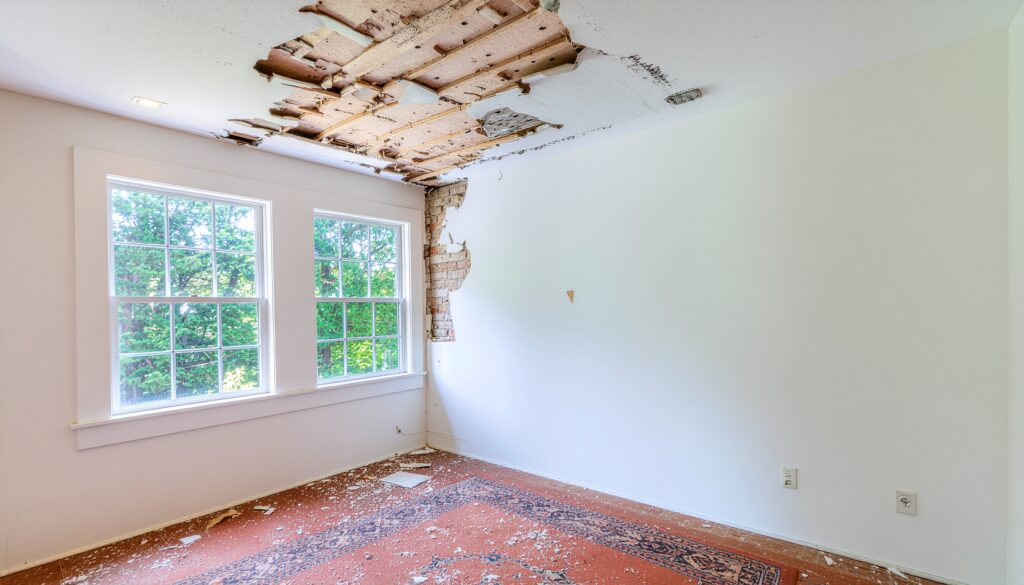
In the construction world, there’s often pressure to reduce costs, leading some to compromise on the materials and craftsmanship used for the final touches. However, this is a dangerous gamble. The risk of mediocre finishes is far more severe than the immediate savings they promise. These final layers—from paint and tiling to carpentry and fittings—are what your client sees, touches, and lives with every day. When they fail, the entire project’s reputation fails with them.
5 Ways Mediocre Finishes Compromise Construction Quality
Choosing low-quality materials or rushing the installation process can seem like a shortcut, but it invariably leads to long-term problems. Here are five critical ways mediocre finishes negatively impact a project.
Accelerated Degradation and Short Lifespan
Poor quality materials, whether cheap paint, sub-par flooring, or weak sealants, simply do not last. They are not designed to withstand standard wear and tear, moisture, or UV exposure. This leads to issues like premature fading, cracking, peeling, and chipping. The seemingly lower initial cost is quickly erased by the need for costly and frequent repairs and replacements.
Compromised Structural Integrity
While finishes are generally considered aesthetic, in many cases, they protect the underlying structure. Poor exterior finishing work, such as incorrect window sealing or inadequate stucco application, allows moisture intrusion. Over time, this can lead to severe issues like mold, wood rot, and deterioration of structural elements, creating a silent, hidden crisis.
Destruction of Property Value and Aesthetics
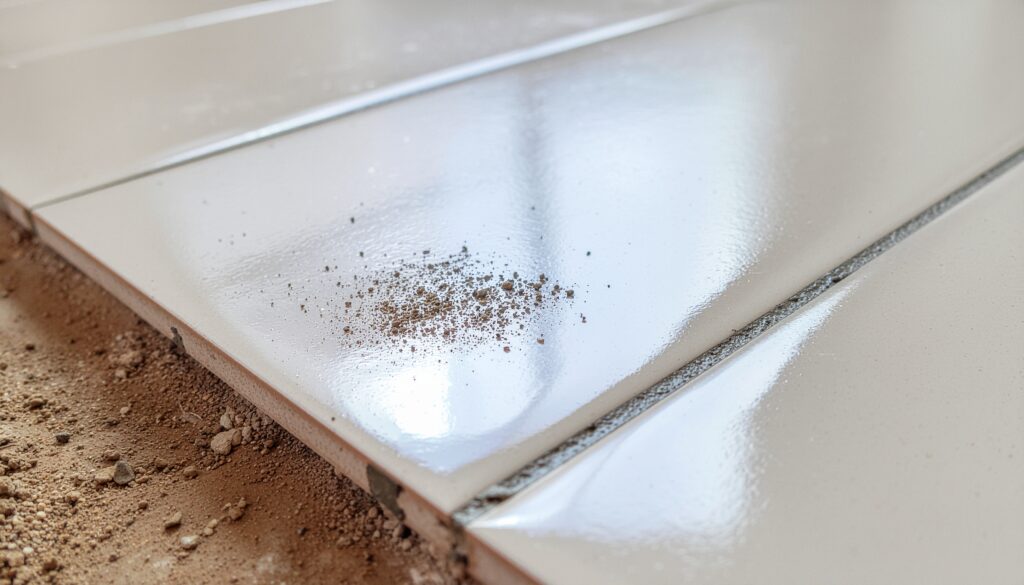
The aesthetic appeal of a property is heavily determined by its finishes. High-quality finishes contribute significantly to a home’s market value. Conversely, obvious flaws stemming from mediocre finishes—uneven grout lines, bubbling paint, or misaligned cabinetry—immediately signal poor overall quality to potential buyers and devalue the property.
Excessive Liability and Callbacks
For a construction company, the true risk of using mediocre finishes lies in the inevitable callbacks. A dissatisfied client experiencing issues with peeling grout or faulty fixtures will call you, not the supplier. These warranty repairs consume time, labor, and resources, severely eroding any profit margin gained by cutting corners. See more: Key metrics to determine the warranty budget and accruals
Reputational Damage That Lasts
In the age of online reviews, a single project compromised by mediocre finishes can inflict lasting damage on your company’s reputation. Trust is the foundation of the construction business. Delivering a product that fails to meet expectations undermines that trust, leading to negative reviews and a significant loss of future referral business.
The Solution: Prioritizing Quality Finishing Work
Avoiding the pitfalls of low quality begins with a commitment to superior finishing work and clear communication with your clients. This includes:
Vetting Suppliers: Insist on materials from reputable, established suppliers.
Skilled Labor: Ensure that specialized finishing work is executed by experienced tradespeople.
Quality Assurance: Implement strict multi-stage inspections before, during, and after finish installation.
A successful project is not just about meeting deadlines; it’s about delivering enduring quality. By prioritizing superior finishes, you secure the long-term value and integrity of the structure and build lasting trust with your clients. See more: Construction Materials Affect Property Value
Secure Your Project’s Future: Demand Excellence
Don’t let the temptation of short-term savings jeopardize your reputation and your client’s investment. When you choose our construction firm, you choose a commitment to excellence, ensuring that the finished product reflects the highest standards of durability and beauty.
Contact us today to discuss how we secure every detail of your next project, from foundation to the finest finishing touch.
5 Ways Sun Damages Luxury Exterior Painting Algarve
Introduction: The Hidden Threat to Every Luxury Home
Owning a villa in the Algarve means enjoying stunning light and sea views — but that same sun slowly erodes your home’s façade.
Constant UV radiation, salty air, and heat gradually cause color fading, cracking, and loss of protection on even the most luxurious exteriors.
This process, known as solar degradation, silently reduces both the beauty and value of your investment.
At Build It Now, we specialize in Luxury Exterior Painting Algarve, using UV-resistant systems engineered for coastal climates — ensuring long-term durability and elegance.
1. The Cause: How the Algarve Sun Wears Down Façades
The Algarve’s sun is both blessing and curse. Over time, exposure to intense sunlight weakens your façade through:
Color fading from UV pigment breakdown
Cracks and peeling due to thermal expansion
Loss of waterproofing, allowing moisture infiltration
Surface chalking, where paint turns powdery and dull
This damage is cumulative — and the longer it’s ignored, the more costly it becomes to repair.
“Architecture exposed to light is like skin under the sun — it needs protection, not just beauty.” — Renzo Piano
2. The Cost of Ignoring Sun Damage
Sun damage isn’t just cosmetic — it’s financial.
According to the European Coatings Journal (2024), villas that delay repainting face up to 45% higher restoration costs, due to surface degradation and increased primer use.
A faded or cracked façade also lowers property value, especially in competitive luxury markets like Vilamoura, Quinta do Lago, and Vale do Lobo.
Protecting your exterior today prevents costly repairs tomorrow.
3. The Solution: Build It Now’s Exterior Protection System
Our Luxury Exterior Painting Algarve service combines scientific precision with aesthetic excellence to protect and enhance your home.
Step 1: Diagnostic Inspection
We assess façade condition using UV and humidity mapping to detect hidden vulnerabilities.
Step 2: Surface Preparation
All oxidized and damaged layers are removed; microcracks are repaired for a clean, durable surface.
Step 3: UV-Absorbing Primer
A high-performance primer ensures deep adhesion and long-term stability.
Step 4: Solar-Reflective Paints
Our anti-fading coatings reduce heat absorption by up to 25%, maintaining vivid color for years.
Step 5: Hydrophobic Finishing Coat
A breathable, transparent barrier keeps out moisture while letting walls exhale naturally.
4. Why Premium Paint Alone Isn’t Enough
Even top-tier paints fail without proper preparation, compatible primers, and expert application.
Our certified teams at Build It Now use advanced façade restoration systems tested in Europe’s finest resorts.
We don’t just paint — we engineer durability and beauty that endures Algarve’s sun.
5. Maintenance Calendar: Protecting Your Façade for Life
A smart maintenance plan ensures consistent protection:
Action
Frequency
Purpose
Visual Inspection
Every 6 months
Detect early damage
Gentle Cleaning
Annually
Remove salt & dust
Reapply Coating
Every 3 years
Maintain waterproofing
Full Repaint
Every 8–10 years
Renew full protection
Following this cycle can reduce lifetime costs by 30–40%.
To provide the best experiences, we use technologies like cookies to store and/or access device information. Consenting to these technologies will allow us to process data such as browsing behaviour or unique IDs on this site. Not consenting or withdrawing consent, may adversely affect certain features and functions.
Functional
Always active
The technical storage or access is strictly necessary for the legitimate purpose of enabling the use of a specific service explicitly requested by the subscriber or user, or for the sole purpose of carrying out the transmission of a communication over an electronic communications network.
Preferences
The technical storage or access is necessary for the legitimate purpose of storing preferences that are not requested by the subscriber or user.
Statistics
The technical storage or access that is used exclusively for statistical purposes.The technical storage or access that is used exclusively for anonymous statistical purposes. Without a subpoena, voluntary compliance on the part of your Internet Service Provider, or additional records from a third party, information stored or retrieved for this purpose alone cannot usually be used to identify you.
Marketing
The technical storage or access is required to create user profiles to send advertising, or to track the user on a website or across several websites for similar marketing purposes.